

It’s more than fun and games: The online gaming experiences of young people with disability
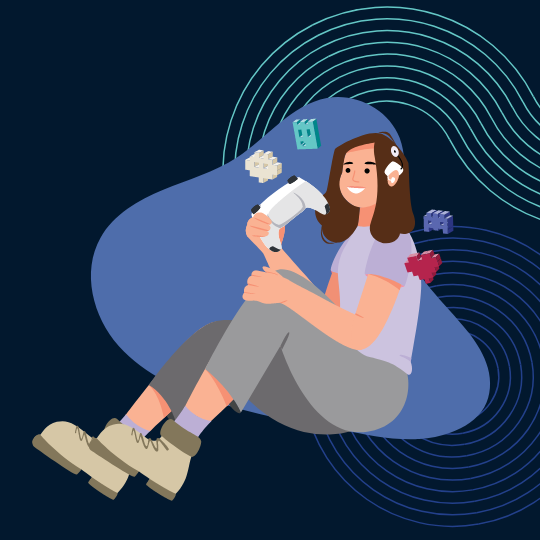
It’s a space where they have the freedom to explore and the agency to choose how to define themselves. Yet it’s also a place where young gamers with disability are more likely to face bullying behaviours – in particular exclusion – and encounter content and ideas associated with harm.
This eSafety research explores the online gaming experiences of children and young people with disability, examining their perspectives on online gaming, the risks and benefits they experience, and the safety practices they adopt.
The report draws on data from our survey of over 2,000 children and teens aged 8 to 17, the majority of whom play online games, focusing on the cohort of 276 young gamers with disability.
Summary of key findings
While the report finds that many of the benefits associated with gaming are more pronounced for young gamers with disability, it highlights how the risks of online gaming are also more prevalent:
- For young gamers with disability, gaming is a way to have fun, be creative, manage emotions and assert independence.
- Young gamers with disability spend more time playing games online than their peers without disability.
- Positive interactions while gaming and the perceived benefits of gaming online were more pronounced for young gamers with disability.
- Young gamers with disability were more likely to be targets of, and to engage in, bullying-type behaviours.
- They were more likely to encounter content and ideas associated with harm, experience online hate or grooming-type behaviour, and to receive or be asked to send nude pictures, videos or sexual information while gaming.
- Most young gamers with disability usually implemented at least one safety practice while gaming online, though they were slightly less likely to do so than their peers without disability.
The report concludes that there is more work to be done to empower young people with disability to enjoy the benefits of gaming while navigating its risks.
About this research
This eSafety research is based on a mixed-methods study into the online gaming experiences of over 2,000 children and young people aged 8 to 17 in Australia, conducted during August and September 2023. It follows Levelling up to stay safe, our report examining online gaming across the total population of young people. It also echoes the findings of A new playground, our report on the online lives of young people with disability.
The findings in this report will inform eSafety’s ongoing online safety programs and resources and contribute to the Australian evidence base on the online lives of children and young people with disability.
Download the report and Easy Read summary
Stay up to date
Sign up to receive the latest research releases and updates from eSafety.
More resources
Autism organisation Amaze has tailored videos and resources designed for parents and carers to help autistic children build healthy relationships with online gaming. These resources were developed as part of eSafety's Online Safety Grants program, and created in consultation with the autistic community.