Pressures from social media
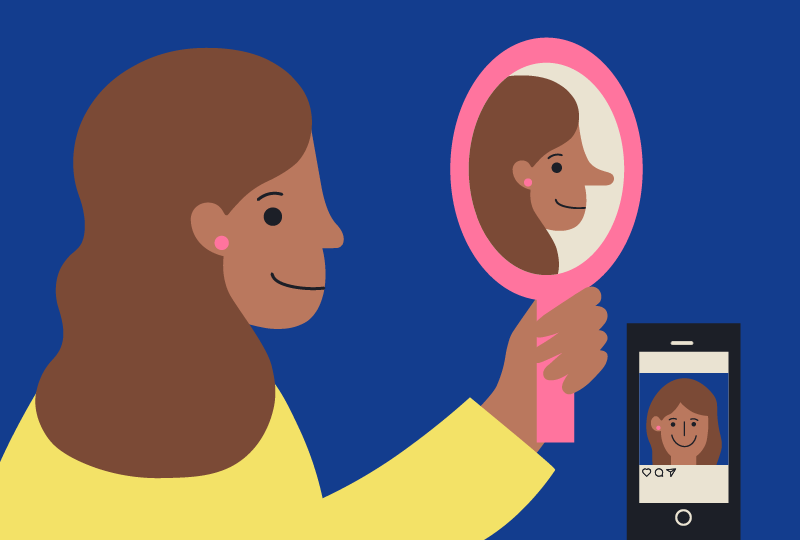
The pressures from social media are very real and they can affect your mental health and how you feel about yourself. Check the info and tips on this page, to help you stay in control.
On this page:
Feeling stressed?
Many social media features are designed to keep you scrolling, so you’ll stay on the platforms. They might feel fun, but they can also add to stress.
- Constant notifications make it hard to switch off.
- ‘For you’ videos tempt you to keep watching
- Disappearing stories and snaps make you keep checking your phone.
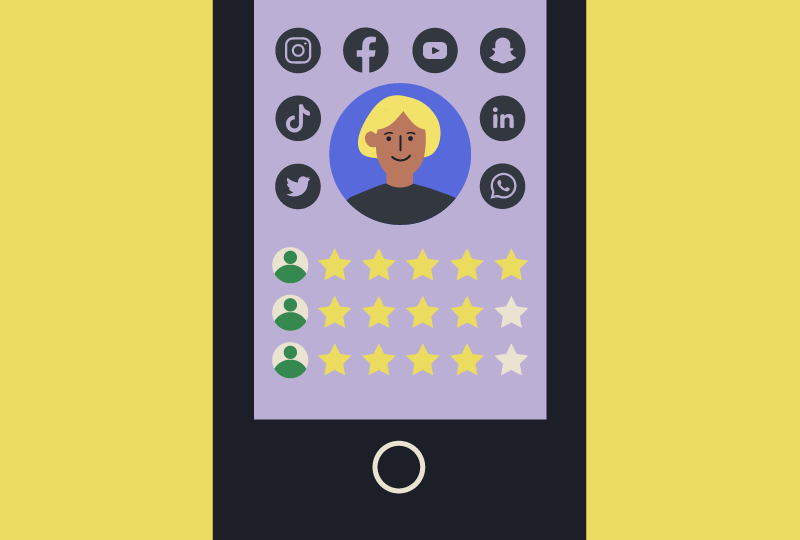
Another challenge is that social media posts can make you constantly compare yourself with other people. It can be easy to fall into the trap of thinking that the posts reflect real life, when most of the time they are showing you a lifestyle about as realistic as a movie set.
You might even do it too – whether it’s putting a few filters on your selfie, planning a ‘candid’ photo or posting about a night out that wasn’t actually as fun as you say it was. Most of us create online personas that show the best parts of our offline lives and erase the times when things were boring or we felt a little bit down.
To add to the pressure, the longer you’re on the platforms, the more likely it is that you’ll see content in your feeds that’s negative, upsetting or manipulative.
eSafety’s research shows many young people actually want to spend less time on social media and think it would make their life better.
The good news is, you can do things to manage the pressure – even if you don’t want to switch off completely. Follow the tips on this page.
You can also check ReachOut’s article on signs that social media is sending you into a spin.
Why it can be worse for younger people
Children and young people are still developing key parts of their brain – especially the areas that help control emotions, manage impulses, and make decisions. If you start using social media too early, your brain can get used to the ‘rewards’ from likes, comments and views. This can make it harder to take breaks or use social media in a balanced way – now and later on in life.
Giving your brain a chance to grow helps you learn how to handle things better. Your brain gets more practice at thinking clearly and keeping you safe.
Delaying social media use can also help you build a healthier view of yourself. If you’re seeing the same types of people or bodies online over and over, this can gradually change the way you view yourself and others. Even if you know the images are edited, filtered, or even AI-generated, your brain may start to see them as what’s ‘normal’, recognising them as the ‘baseline’ for what someone looks like. This constant comparing can make you feel like you’re not good enough or need to change to fit in.
These types of pressures are why social media age restrictions for under-16s are starting in Australia from 10 December 2025. If you’re under-16 find out the facts and learn about how you can keep in contact with your favourite people, content and communities: How will the social media age restrictions affect me if I’m under 16?
Tips for dealing with social media pressures
Turn off your notifications and have a phone-free day
If you feel like you’re spending too much time scrolling through your feed and it’s contributing to the pressure you feel, try switching off for a set time. If you feel like you’re getting caught in a social media loop, it can be good to break it up and log off for a while. Leave your phone at home and get out there.
Unfollow accounts that make you feel bad
Go through the accounts you follow and ask yourself whether they are making you feel positive or negative. Then unfollow accounts that make you feel bad about yourself and follow the accounts that make you feel good. Try to keep your feed full of posts that are inspiring or reflect things that you are genuinely interested in, rather than posts that make you feel angry or bad about yourself.
Remember that social media is not real life
Think critically about what you see online – a lot of posts are not 100% real. Behind every staged post is someone taking the same photo 30 times with different angles or carefully placing things to make it look natural. Remember, celebrities put filters on their photos or stage things to make it appear as if their life is way more interesting than it really is. And celebrities have bad days too – even though it may not seem so from their social media feeds.
Check yourself
If you’re feeling unsure about posting something, ask yourself why am I doing this? Is it because I’m trying to look a certain way online? If what you’re posting online is more about keeping up a an appearance, it’s probably best not to post it. Being yourself online is just as important as being yourself offline. Stick to posting things that reflect who you really are, and make you feel good about yourself.
Don't let online trends define your worth
Some online spaces promote the idea that you need to constantly ‘improve’ your appearance. The messaging is commonly gender-based and intended to make you feel insecure about yourself, often so you’ll spend money on products or procedures.
For example, ‘looksmaxxing’ is a trend among young men that can involve extreme ‘appearance-enhancing’ methods like mewing and facepulling (techniques that aim to change the bone structure of the face by applying pressure to it). Meanwhile, women are often targeted by posts and articles promoting things like dieting, cosmetic injections and surgery.
While looking after yourself can be a good thing, it’s easy to get caught up in thinking your value depends on how you look. This can be unhealthy because it can make you feel like you’re never good enough.
You can start by questioning who’s behind the content you see. For example, if someone says ‘Want to get rid of hip dips? Try these 10 exercises’, have a look at their account. Do they run a fitness business? Could they be trying to make money by encouraging you to feel unhappy with yourself?
Talk to someone
The pressures from social media can make you feel lonely because everyone else seems to be having a fantastic time, even though this may not be the case. If you feel like you want to talk to someone about it, or you’re getting depressed, reach out. It could be to a friend or family member. Or you could contact one of the free, confidential counselling and support services listed at the bottom of this page. ReachOut has helpful advice on how to handle it at 5 steps for talking to someone you trust.
Get help if something goes wrong
It’s important to remember that no matter how old you are, if you have a harmful experience online you should reach out for support – even if you’re under 16 and it happens on social media.
- Depending on what has happened, there are different ways to get support from eSafety or other services. You won’t get into trouble.
- Visit eSafety’s I need help page for young people for information and guidance on what you can do about cyberbullying, threats to share nudes and other issues online.
- If you’re nervous about reporting to eSafety, you can speak first with a free, confidential support service.
Social media age restrictions
As of 10 December 2025, certain social media platforms are not allowed to let Australians under 16 have an account.
What you need to know:
- The age restrictions apply to Facebook, Instagram, Kick, Reddit, Snapchat, Threads, TikTok, Twitch, X and YouTube. See the latest list.
- Most standalone gaming and messaging apps, as well as many services that support health and education, are not affected by the new rules.
- You can still search for and see publicly available content that doesn’t require logging into an account.
- Under-16s won't get into trouble if they have an account on an age-restricted platform, but the platform could face fines of up to $54.6 million if it doesn't take reasonable steps to prevent underage accounts.
- If you do still have a social media account, it could be removed or deactivated at any time before you turn 16 - even if you've already passed an age check.
- No matter how old you are, if something goes wrong while you're on social media or anywhere else online, you should always reach out for support. eSafety's I need help page has advice and contacts.
Find out more at How do the social media age restrictions affect me?
Last updated: 03/07/2026
 Get connected with eSafety