Need help dealing with violent or distressing online content? Learn more

Using your neurodivergent mind to thrive online

For neurodivergent young people, the online world can be a great place to learn, create and connect with others – but it can also bring challenges. Use these tips to help you shape your online experience in ways that feel safe, supportive and empowering.

In short:

  • There’s no one ‘right’ way of thinking or being and everyone deserves to have positive online experiences.
  • Being neurodivergent brings both strengths and challenges that can affect you in good and bad ways online.
  • Understanding how your unique traits can play out in online spaces can help you take steps to improve your safety and confidence.
  • This includes learning how to spot ‘red flags’, building good digital habits, using safety tools and having a plan if things get tricky.
  • If things do go wrong, it's not your fault and you don’t have to handle it on your own. Reach out to someone you trust, or visit eSafety’s I need help page for support.

What is neurodiversity?

Neurodiversity is the idea that all human brains naturally vary from one person to the next – just like our fingerprints, no two brains are the same.

The term was developed to help people understand that there is no one ‘right’ or 'normal' way to think, learn or be – we're all unique, which is what makes us interesting.

What does neurodivergent mean?

If you're neurodivergent it means your brain works differently in one or more ways to what is considered typical or neurotypical. You might think, feel or communicate differently to most other people and that's completely OK. These differences are not things to be fixed - they are a natural part of being human and can bring special talents, insights and creativity too.  

About 1 in 5 people around the world are neurodivergent. This includes people with ADHD (Attention Deficit Hyperactivity Disorder), autism, dyslexia, dyspraxia and Tourette syndrome, and others who think or process things differently.

How your neurodivergent traits can shape your online experience

If you’re neurodivergent, online spaces can offer a great way to express yourself, connect with like-minded people, explore your interests and learn in ways that suit you best. But because most platforms are designed by and for neurotypical people, some experiences can be harder to deal with and may leave you feeling confused or overwhelmed.


Understanding how your unique strengths and challenges can shape your online experience can help you stay safe, connected and confident. Below are some examples of how common neurodivergent traits might play out online – in both positive and tricky ways:

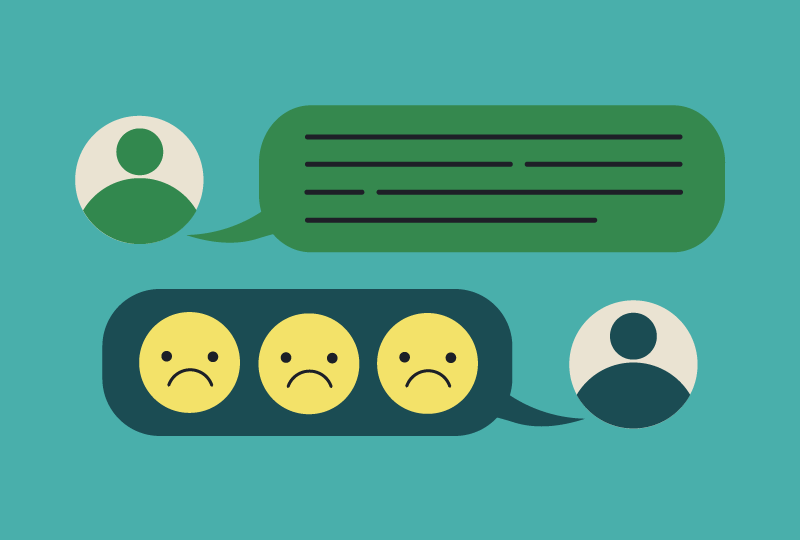
You might find it easier to express yourself through art, memes or gaming communities that value shared interests. But online chats where it’s hard to read humour, tone or emojis can sometimes lead to misunderstandings and put you at risk of being bullied.

Many neurodiverse people are known for being open, honest and trusting. This can help you connect and build meaningful friendships online. But it can also increase your risk of unsafe contact, ‘sextortion’, or scams by people who don’t have good intentions.

You might love learning everything about a particular topic or skill. Online this can help you develop your knowledge and skills and share them with others. But hyperfocusing can make you lose track of time or feel pulled in by endless streams of similar content.

Many neurodivergent people feel emotions strongly and care deeply about others – this can make you a supportive friend and a positive voice in online communities. But it can also mean that hurtful comments or distressing content have a bigger impact on you.

Neurodivergent minds often think in original and creative ways. Online spaces can help to inspire you and provide endless ways to share your creativity through stories, art or video. This can also make it hard to balance your time or deal with feedback from others.

There are times when being online can be soothing – music, gaming or supportive communities can help you regulate your emotions. But too much sensory information, particularly in spaces with lots of visual ‘noise’ like bright lights and pop-ups can make you feel overwhelmed.

These experiences can be challenging but they don’t define you, and you are not alone. There are support services you can contact and plenty of things you can do to enjoy the best parts of being online while staying safe. Check out the tips and ideas on this page. 

Social media age restrictions

As of 10 December 2025, certain social media platforms are not allowed to let Australians under 16 have an account.

What you need to know:

  • The age restrictions will apply to Facebook, Instagram, Kick, Reddit, Snapchat, Threads, TikTok, Twitch, X and YouTube. See the latest list.
  • Most standalone gaming and messaging apps, as well as many services that support health and education, will not be affected by the new rules.
  • You will still be able to search for and see publicly available content that doesn’t require logging into an account.
  • Under-16s won't get into trouble if they have an account on an age-restricted platform, but the platform could face fines of up to $49.5 million if it doesn't take reasonable steps to prevent underage accounts.
  • No matter how old you are, if something goes wrong while you're on social media or anywhere else online, you should always reach out for support. eSafety's I need help page has advice and contacts.


Find out more at How do the social media age restrictions affect me?

Ways you can be safer and more confident online

We all have a right to be treated respectfully and enjoy our time online. Knowing how to recognise when something isn't right, build good digital habits and use safety tools can help you feel more empowered. 

Some harmful behaviours can be hard to recognise. Here are a few red flags to look out for: 

  • Someone asking you to share private images or personal information
  • A person pretending to be someone else or using a fake profile
  • Someone you don’t know well pressuring you to move the conversation to a different messaging app or social media platform
  • Someone's age or story not matching up what they say or do online, especially if things turn romantic or sexual.

Cyberbullying can also show up in subtle ways. These are some common signs of online bullying:

  • Someone screenshotting and resharing your posts with laughing emojis
  • A person pretending to be you online or making a fake account with your name
  • Someone inviting you into a group chat and then being mean to you
  • Being tagged in hurtful memes or upsetting jokes.

If you notice any of these behaviours, it’s important to get help and advice from people or services you can trust.

You can also report the behaviour to the online platform. The eSafety Guide has step-by-step advice on how to report harmful content on different platforms, apps and websites. If the service doesn’t help, and the abuse is very serious, report it to eSafety

Being online can be exciting, creative, and social – but it can also be overwhelming, especially if you're neurodivergent. You might experience things more intensely, get confused, or find it hard to switch off.

The social media age-restrictions starting in December 2025 are designed to protect under-16s from harmful design features, but they are just one piece of the puzzle. Whatever your age, it’s important to balance your online experiences with time offline and build your digital wellbeing skills - particularly as a neurodivergent person.

  • Take breaks: time passes quickly online. Try short breaks every 30 minutes to give your brain a rest. You can set an alarm to remind you. For more tips, read our advice on balancing your time online.
  • Think critically: ask questions about what you see online. If you don’t understand something, ask a trusted adult or friend to explain, and read our tips to spot fake news to help you check how credible something is.
  • Pause before you post: take a moment before responding, especially if you’re upset. Anything you share can be out in the digital world forever, so you want to be sure you’re OK with it.
  • Build resilience: try these tips for coping with hard stuff. Knowing some ways to deal with difficult situations can help you find relief when you need it most.
  • Ask for help: if something confuses or worries you, reach out to someone you trust for support.

Using your privacy settings is an important part of staying safe online. From 10 December, only young people aged 16 and older will be able to create a social media account, but even unrestricted apps and platforms that under-16s are allowed to use can have risks. Whatever your age and situation, start with the following tips:

  • Check The eSafety Guide for advice on protecting your personal information on common platforms, games, apps and sites.
  • Choose whether your account is private or public, depending on who you want to connect with.
  • Use your settings to control who can see your posts, message you or view your location.
  • Never share passwords – even with friends, and always log out if you’ve used someone else’s device.
  • Watch out for fake accounts that impersonate/pretend to be people you know or someone famous. If something feels off, double-check before sharing personal information.
  • Check your friends list and remove people you don’t know or trust. 

Take advantage of user controls and accessibility features to customise your online experience. Most social platforms, apps, websites and games have a range of controls to choose from depending on your specific needs. These are some examples of what you can do:

  • Set up screentime limits on your devices to help you keep track of how long you’re spending on your preferred apps and platforms.
  • Use reading mode or text-only views to reduce distractions. (You can usually switch this on via your browser settings.)
  • Add a screen mask to your browser. This typically dims or darkens the screen except for a specific area to help you focus on one block of passage of text at a time.
  • Adjust screen brightness or use blue light filters to reduce eye strain.
  • Switch to ‘dark mode’ to reduce glare and sensitivity, especially in low-light places.
  • Try using tone indicators to make it easier to communicate by text, like /j for joking, /srs for serious, or /s for sarcastic. You can ask your friends to do the same to reduce misunderstandings.
  • Use a screen reader to read aloud the text and other elements on a computer or device screen and cut out visual ‘noise’.
  • Consider an immersive reader to improve your experience via features like text-to-speech, syllable breakdown and a choice of font size, spacing and colour.
  • Block or hide news topics or material that you may find uncomfortable or upsetting. You can use built-in features in news apps, like ‘Fewer stories like this’ or ‘Hide all stories from’, which are often found by tapping a three-dot menu. Some platforms also allow you to filter out posts, comments, messages and notifications that include specific words or phrases.
  • Use ear plugs or noise-cancelling headphones in noisy settings to help you focus and stay calm.

What you can do if things go wrong

Having a plan of action is a good way to give you peace of mind as you explore online spaces. The following strategies can all help to keep you safe if things get tricky or you come across bullying behaviours.

  • Stop and think: Talk things through with someone you trust before you react or respond, to prevent things from getting worse. If you’re still feeling overwhelmed or uncomfortable, contact one of our recommended support services.
  • Plan ahead: Think about what you’ll say and how to protect yourself, especially if you think someone might get defensive or hit back.
  • Report the behaviour or harmful content: Use the platform’s tools to report bullying, impersonation, or other types of abuse. If this doesn’t work, report to eSafety.
  • Don’t hit back: Reporting the bully and blocking or muting the person doing it is often more powerful than fighting back. Trolls and bullies often want a reaction, so try to not give them one.
  • Get support: If you have a harmful experience online you should always reach out for support – even if you're under 16 and on an age-restricted platform. eSafety's I need help page has advice and contacts.

How to build inclusive online communities

Everyone should feel safe to be themselves online. That’s why it’s important to find supportive communities and focus your energy on like-minded people who understand and respect you.

Look for communities where people:

  • let you be yourself rather than ‘masking’ your differences to 'fit in'
  • are patient and understanding when you ask them to explain something
  • back each other up if someone is being bullied or abused in other ways
  • understand and respect your boundaries and needs
  • use clear, kind language (and tone indicators if you ask them to).

If you’re under 16 and rely on social media to engage with friends and access support, it’s important to seek out other ways to stay connected before the social media age restrictions start. 

You can use eSafety’s Get-ready guide and action plan for under-16s to help you prepare for the change and line up alternatives, including safe, confidential services to support your wellbeing.

Everyone has different views and experiences. It’s important to share your opinions carefully and respectfully and create space for other people to share if they want to. We don’t always have to agree with one another, but being part of a safe community means being kind, listening and accepting that it’s OK for people to have other views and experiences.

It’s also a good idea to connect with a range of safe communities and explore a variety of positive topics that match your interests to inspire new ideas and ways of thinking. This helps you:

  • see different points of view
  • avoid echo chambers (where you only hear the same opinions)
  • grow your thinking and confidence.

You can help build safer, more inclusive online spaces by being a good upstander. This means supporting someone if they’re being treated unfairly, especially if they’re also neurodivergent.

You can speak up for them if it feels safe. If not, you might be able to help them in another way. For example, you could message the person privately to show support, or help them talk to a trusted adult or support service.

Frequently asked questions

Click or tap on the + to find the answers.

ADHD affects attention, focus and emotional regulation. People with ADHD might be very active, and able to hyperfocus on things they find interesting, but can get distracted more easily and find it hard to start or finish tasks.

Autism affects how someone thinks, feels or interacts with others. Autistic people may be passionate about certain topics or activities and have strong emotions. They may find some social situations tricky and often benefit from routines.

Dyslexia makes reading, writing or spelling harder. It has nothing to do with intelligence – people with dyslexia often think in creative ways, are good at problem-solving and have high levels of empathy.

Dyspraxia affects coordination and movement. It might make handwriting, sports or planning tasks harder, but this can mean that people with dyspraxia build resilience and are good at finding innovative ways to overcome obstacles. 

Tourette’s is known for causing tics – these are sudden movements or sounds that are hard to control. People with Tourette's are often faster at putting sounds into words as children, and develop good concentration skills and willpower.

Real stories

Other helpful resources

Check out these organisations and resources for more information and support:

Stay safe

Emergency help in Australia, any time of the day or night

If you’re in Australia and in immediate danger or at risk of harm, call emergency services on Triple Zero (000).

Contact your local police on 131 444 if there are threats to your safety or threats to your friends or family members.

You can also get help and support from one of these counselling services

Kids Helpline

5 to 25 year olds. All issues. Confidential phone counselling available all day, every day. Online chat available 24/7, 365 days a year.

Headspace

12 to 25 year olds. All issues. Phone counselling and online chat available 3pm to 10pm AEST, every day.

More support services

Note:

This page uses the term ‘neurodivergent’ to cover the range of brain variations that differ from what is considered ‘typical’ because it’s most common. We mainly use identity-first language to recognise that these differences are a natural part of human diversity and an important part of who you are – not things that need to be fixed. We understand that some people choose to use person-first language to highlight their right to a separate identity.