
What is an echo chamber?

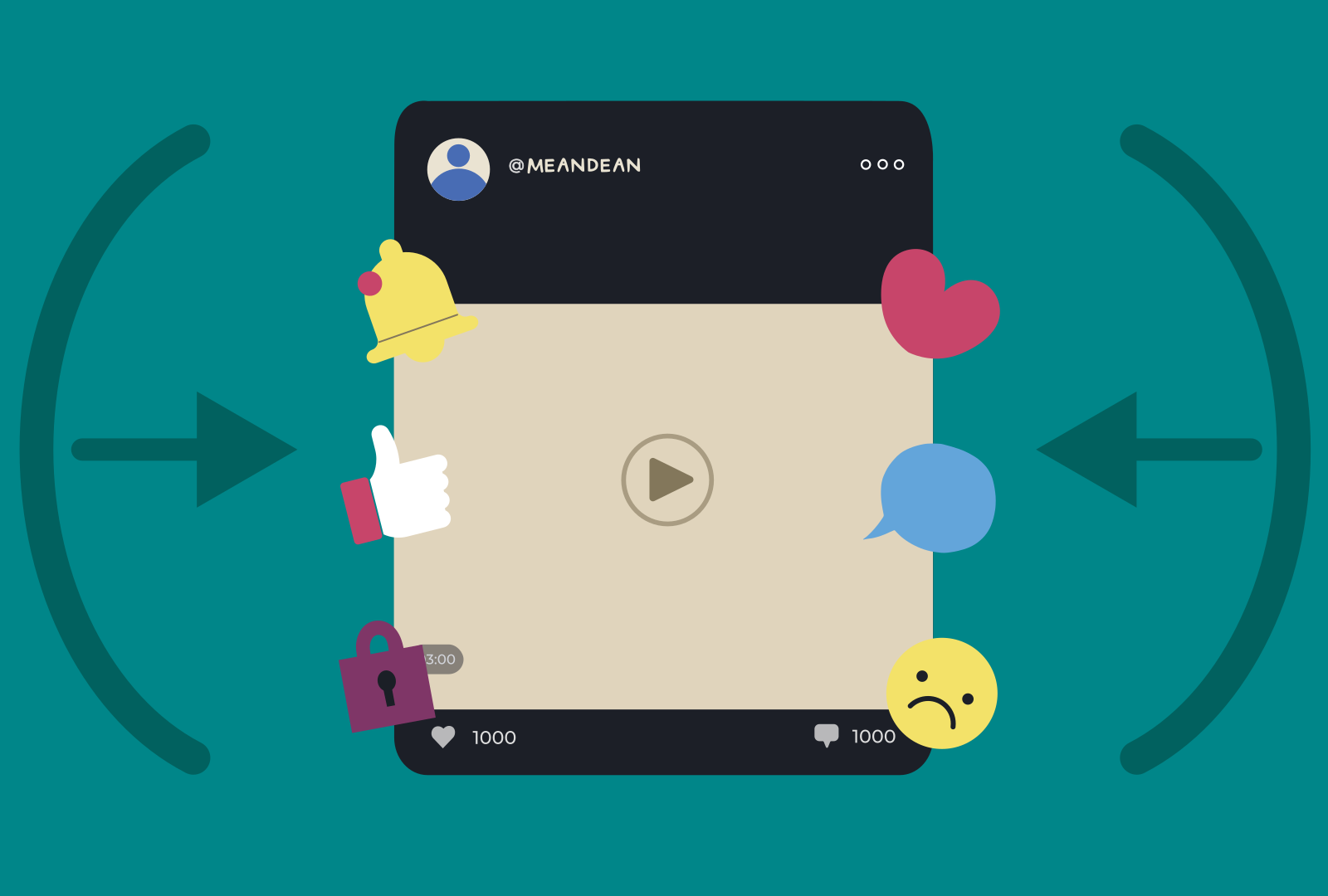
An echo chamber is like being in a room where you mostly hear things that back up what you already think, or what others in the room are saying. This can make certain ideas feel more common, normal or acceptable than they really are, while cutting you off from other points of view. People in echo chambers don’t just ignore outside opinions, they often put them down or reject them, and bully or threaten others for having opposing views.
As a result, echo chambers can promote harmful ideas and stereotypes, including:
- bias and discrimination against someone because of their gender (sexism)
- hatred towards women (misogyny)
- dislike of LGBTIQ+ people (homophobia/ transphobia)
- racism and fear of ‘outsiders’ (xenophobia)
- use of violent porn and other disturbing content
- radical political, personal or social views
- dangerous conspiracy theories
- negative body image and unhealthy eating.
How this can play out for young people
When you’re young, there’s a greater risk of being affected by algorithms and echo chambers because you're still working out who you are, what you believe, and where you fit in.
So when your friends follow the same creators, trends or opinions, it can feel easier to go along with them, especially if you’re worried about being teased or left out. This social pressure, combined with the effect of algorithms, can pull you deeper into content loops or spaces even when things feel ‘off’.
Then your thoughts and attitudes can gradually become more extreme without you realising it – affecting how you see yourself, other people and the world.