Pornography
Pornography is widely available online. Strong safeguards, education and community support help to protect children and give everyone more control over what they see.
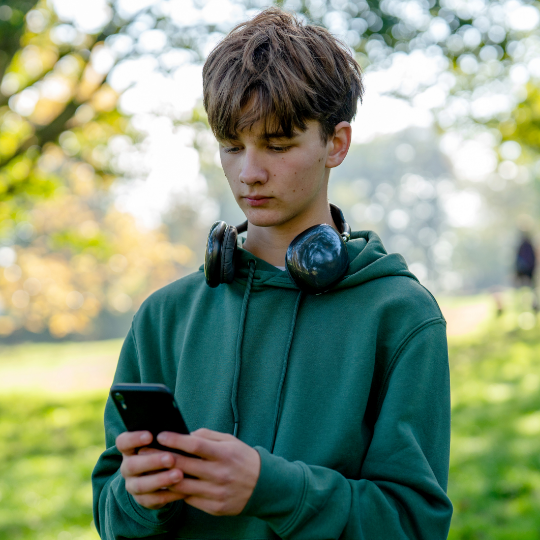
eSafety research shows that many young people have been exposed to online porn from an early age, often by accident.
In Australia, a wide range of online service providers are now required to take steps to reduce children’s exposure to age-inappropriate content while protecting the rights of adults to access it. These steps include blurring porn in search results and limiting access to porn sites until age checks have been passed.
This page provides general information about what online pornography is and how a combined approach of regulation, education and community support can promote healthy digital experiences for everyone. (The online industry should refer to the relevant regulatory guidance for information on their obligations under the Online Safety Act.)
On this page:
What is pornography?
The term ‘pornography’ commonly refers to a broad range of sexually explicit material that is created for adult entertainment.
eSafety uses ‘pornography’ to mean sexual content where any people shown are adults who have consented to the material being made. The sexual activity can be real, acted or fake. It can be in images, videos or written content (including AI-generated material). Online service providers are required to prevent Australians under 18 from accessing this content.
Illegal and unlawful content
Where sexual content involves children (under-18s), extreme violence or non-consensual acts, or where sexual images or videos are shared online without the consent of the person or people shown, eSafety calls this illegal or unlawful content, not ‘pornography’.
Illegal and unlawful sexual content may show:
- child sexual exploitation and abuse – this includes material that sexualises, depicts abuse of, or exploits a child (eSafety does not use the inaccurate and insensitive term ‘child porn’)
- extreme sexual violence – this includes sexual acts involving severe abuse or violence (eSafety does not use inaccurate and insensitive terms such as ‘rape porn’ and ‘snuff porn’)
- image-based abuse – this includes nude or sexual images or videos shared without the consent of the person shown (sometimes known by terms such as ‘revenge porn’ and ‘deepfake porn’).
Learn more about how you can report illegal and unlawful material.
Why is online porn age-restricted?
In Australia, pornography is classified as age-restricted material. This means it’s legal for adults to access but should not be accessible for people under 18.
Porn is intended for adult entertainment not education. Children are still developing emotionally, socially and cognitively and exposure to online porn may shape - and sometimes distort - their ideas about sex, relationships and body image.
- often focuses on performance rather than communication or connection
- rarely models clear consent, mutual respect or safe sex
- may depict acts of aggression or ‘rough play’ and promote harmful stereotypes
- often portrays unrealistic body types and ideals
- does not show conversations about contraception or preventing sexually transmitted infections.
What the research says
A lack of strong safeguards has meant that many under-18s have frequently been exposed to online porn, often from a very young age. These encounters can be intentional (out of curiosity or peer influence), but most children first see online porn accidentally through search results, social media, pop-ups or shared links. This can distress and confuse them.
eSafety research shows:
- 32% of Australian children aged 10 to 17 have seen online porn
- 12% of children aged 10 to 17 have seen violent sexual content
- 30% of 16-to-18-year-olds who have seen porn online first encountered it unintentionally before the age of 13.
What young people think
Teenagers in eSafety’s research have described unintentional encounters with porn as unwanted, uncomfortable and difficult to avoid.
While curiosity around sex is a normal part of development, many expressed concern that repeated exposure to online porn can normalise unrealistic ideas, contribute to guilt and shame, and discourage help-seeking.
They called for platforms and the government to do more, and highlighted early, porn-specific education as key to reducing stigma, supporting open discussion and helping them think critically about what they see. Teenagers also said they want to decide if, when and where they see online porn, instead of being exposed to it without their consent.
Adults deserve choice too
Adults also deserve choice and control over what they see online. Many Australians don’t wish to come across pornographic material unless they actively seek it out.
Meanwhile, search result trends show that many people feel addicted to pornography and want help to manage that.
How online porn is regulated in Australia
Online pornography is now regulated by the Age-Restricted Material Codes developed by the online industry as part of a requirement of the Online Safety Act. They are legally enforceable rules, and eSafety is responsible for enforcing them.
The codes include age restrictions for pornography, as well as for other age-inappropriate content showing or encouraging suicide, self-harm, disordered eating and high-impact violence.
They also require online service providers to give all Australians better information, tools and options to limit their exposure to age-restricted material, if they wish.
The codes put responsibility for safety on the companies that design and profit from these services – with penalties for ongoing non-compliance of $54.6 million per breach. There are no penalties for children who access age-restricted material.
What do the codes mean in practice?
The strongest protections are for high-risk services such as porn websites, but they apply across a range of online platforms including search engines, social media, app stores, gaming platforms and AI companion chatbots.
- Pornography sites: Users should be asked to confirm their age when accessing age-restricted material on pornography websites and services. Clicking a button that says ‘I am 18 or older’ is no longer good enough.
- Search engines: Search results containing pornography should be blurred by default for users unless they are logged in to an account (like Google) and confirmed as 18 or older. Logged in adults can opt-in to blurring of age-restricted material if they wish. (Please note, some of the requirements around age checks don’t need to be in place until 27 June 2026.)
- App stores, online gaming, AI companion chatbots: Services distributing apps or online games rated 18+, or capable of generating sexually explicit content, should confirm someone is 18 or older before they access that material. (Please note, some of the requirements around age checks for app distribution services don’t need to be in place until 9 September 2026.)
- Social media and messaging: Social media services that allow pornography should ensure users are 18+ before giving them access to that material. Users may be asked to confirm their age on adult messaging services specialising in distributing porn.
There are a variety of methods that can be used to check your age, such as photo ID and facial age estimation, but you can’t be forced to use government ID.
For more details on how the codes impact access to online porn, read the latest FAQs.
How to deal with exposure to porn
These new rules provide meaningful protections but no system is foolproof. Unwanted exposure to porn can still happen, including for under-18s. If you or your child has seen something you didn’t want to see, it’s not your fault and support is available.
What should I do if someone under 18 can still see pornography?
- First, let the platform or service know that the content can be seen by a child, including how they accessed it - for example, that it appeared in a search result or without an age check. This is often the fastest way to make sure it is dealt with.
- You can also make a complaint to eSafety if you suspect a breach of the Age-Restricted Material Codes. The information you provide will help us to identify potential non-compliance and enforce the codes. (Please note that although we welcome information about potential codes breaches, we can’t resolve individual cases or disputes between online services and users in relation to the codes).
- You can contact Kids Helpline on 1800 55 1800 or visit their website or another counselling or support service if you would like to talk to someone about how seeing pornography made you (or your child) feel.
- You may also find it helpful to explore our advice for parents, including information about parental controls, how to talk to your child about sensitive topics and what to do if they've been exposed to porn online.
What should I do if I see illegal or unlawful material online?
- Anyone can report material showing or promoting sexual exploitation or abuse of children (under-18s) to the Australian Centre to Counter Child Exploitation Child (ACCCE) so they can remove it and help to rescue children being abused.
- Anyone can report material showing or promoting extreme sexual violence or non-consensual sexual acts to eSafety so we can remove it – you can do this anonymously.
- If someone has shared a nude or sexual image or video of you without your consent, you can report it to eSafety so we can remove it and give you further support. The image can be real, digitally altered or fake. If someone is threatening to share sexual content of you, see more detailed advice on image-based abuse.
How can I reduce the risks?
It's important to remember that regulation alone cannot prevent all risks. The most effective safeguarding includes a combination of approaches:
- Industry accountability, including strong safeguards and age assurance.
- Open, stigma-free conversations that prepare children to deal with harmful experiences online, including how to get help.
- Education that builds critical thinking about porn and the issues related to it.
You can tap into our evidence-based resources to help reduce risks, promote positive online experiences and drive lasting change.
Resources for parents and carers
Start age-appropriate conversations early and help protect and prepare your child for what they may come across online, without judgement.
Visit our Parents section for practical information and advice on online porn, having tricky conversations, and how to make the most of parental controls and digital safety settings.
Resources for young people
It’s normal to be curious but porn is not the same as real-life relationships. You also have a right to choice and control online. If you see something that makes you uncomfortable, it’s not your fault and help is available.
Visit our Young people section to find out what you need to know about dealing with disturbing content, sharing of intimate images and using critical thinking to help you make sense of what you see.


Resources for educators
You can promote safe, open discussions about online porn and healthy relationships to reduce stigma and encourage help-seeking.
Access professional learning so you can better prepare kids for exposure to inappropriate content, AI companions, and more. You’ll also find interactive classroom resources to engage students in important topics like online boundaries and consent.

Resources for industry
Providers must design services that meet industry obligations and prioritise child safety, including implementing age assurance where required or face heavy penalties.
Visit our Industry section to learn more about the Online Safety Codes and Standards, including the Age-Restricted Material Codes, and how they work to reduce accidental exposure to porn.

Last updated: 03/07/2026